Global Whale Entanglement Response
Global Whale Entanglement Response
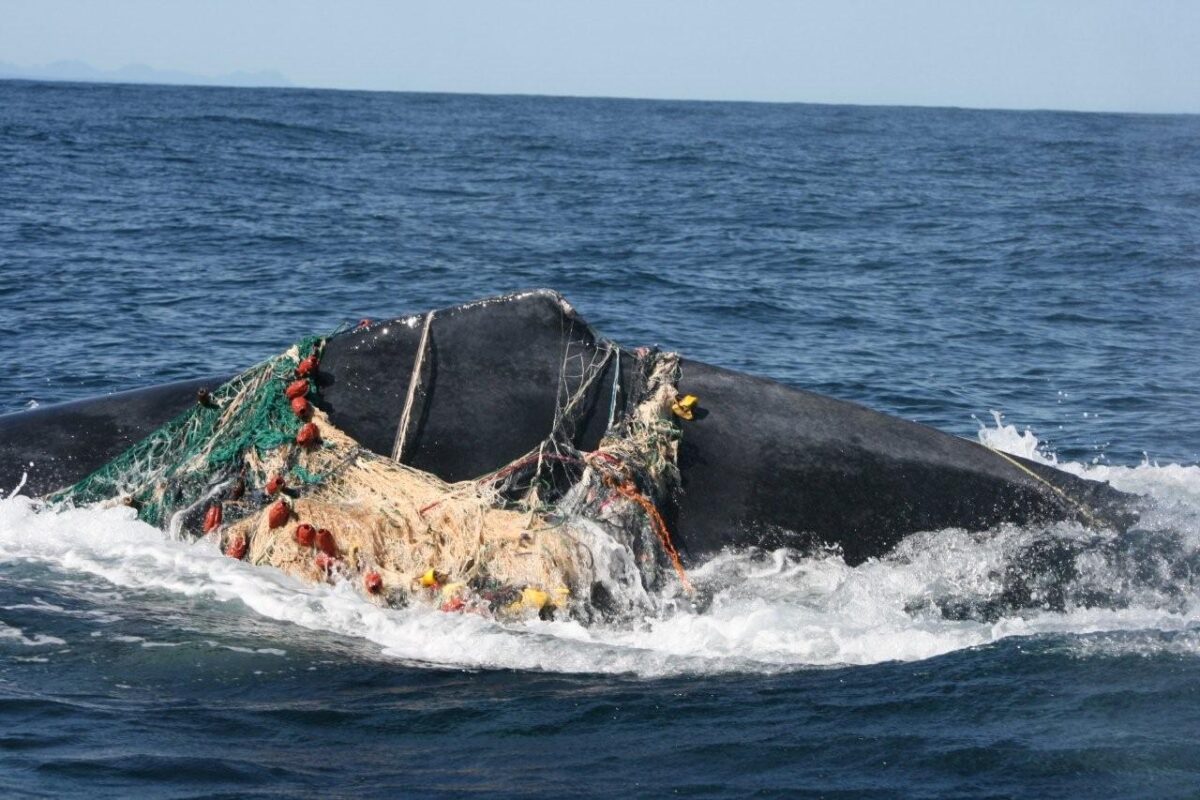
Research indicates that more than 300,000 whales and dolphins die each year as a result of entanglement in fishing gear, with additional, unquantified numbers also becoming entangled in marine debris. These incidents can have severe, long-term conservation consequences, particularly for populations that are already threatened or critically endangered. In response to these growing concerns, the International Whaling Commission (IWC) launched the Global Whale Entanglement Response Network (GWERN) in 2011. The program’s immediate objective was to develop safe and effective entanglement response capacity worldwide, with the long-term goal of reducing and ultimately preventing entanglement incidents globally.
The program is delivered in partnership with the Center for Coastal Studies (CCS) in Provincetown, Massachusetts, USA, which is recognized as a global leader in cetacean entanglement response. GWERN is led by Technical Advisors from both CCS and the IWC and supported by an Expert Panel comprising representatives from countries with long-established and rigorously tested entanglement response programs.
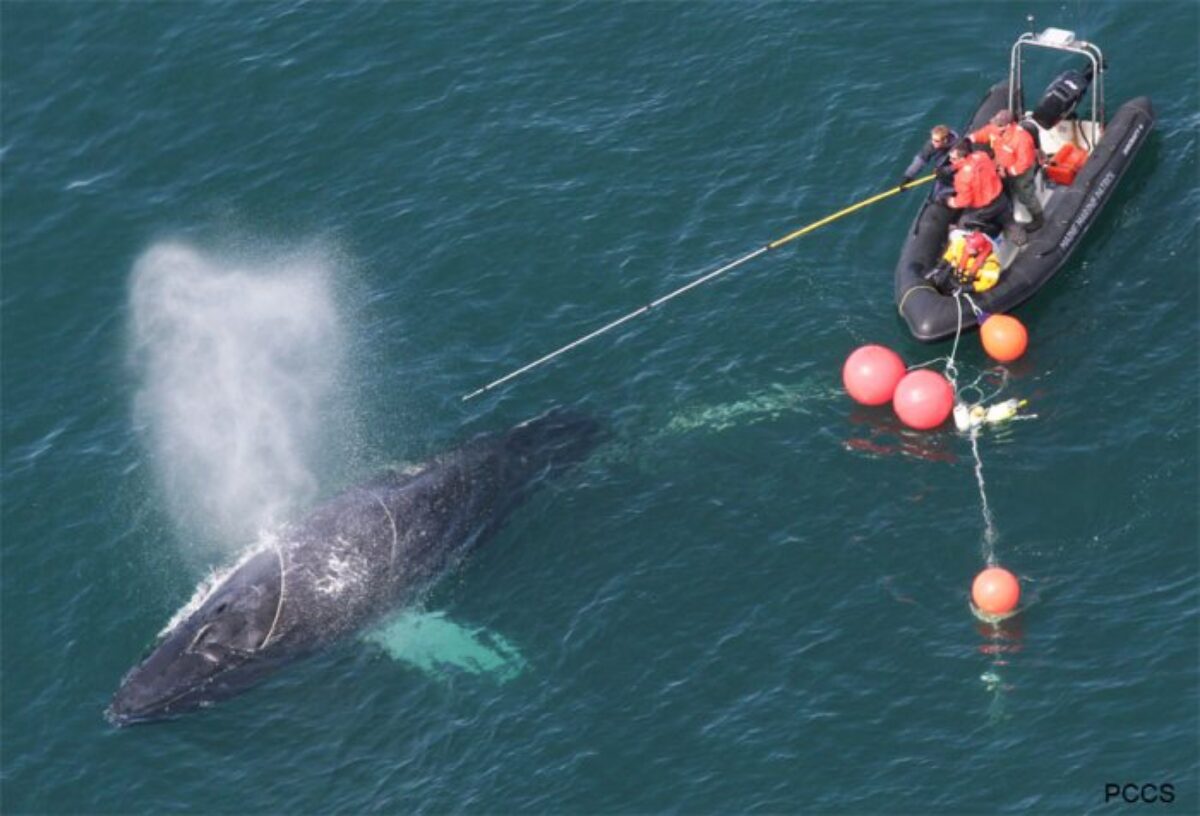
With guidance from this international expert group, Best Practice Guidelines and comprehensive two-day entanglement response training workshops have been developed. Training workshops combine classroom instruction—covering data collection, applicable regulations, and regional cetacean identification—with hands-on, on-water disentanglement exercises. Additionally, disentanglement equipment kits are provided to participating groups. Since 2012, these workshops have been delivered across five continents, training more than 1,700 participants from over 43 countries.