Pots/Traps
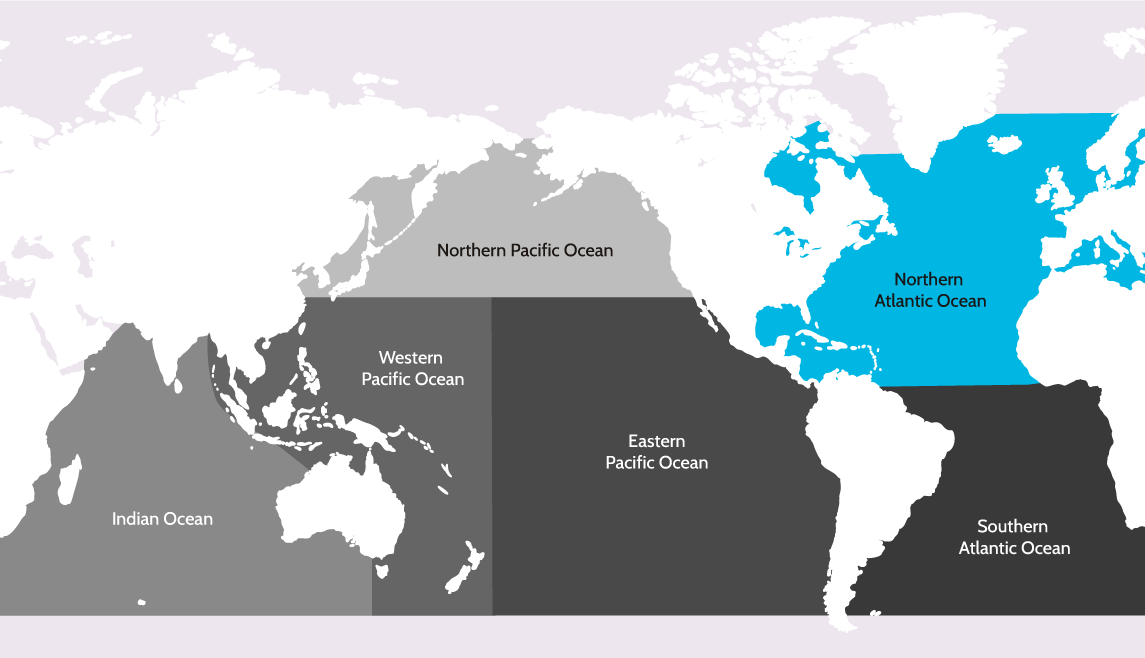
Northern Atlantic Ocean
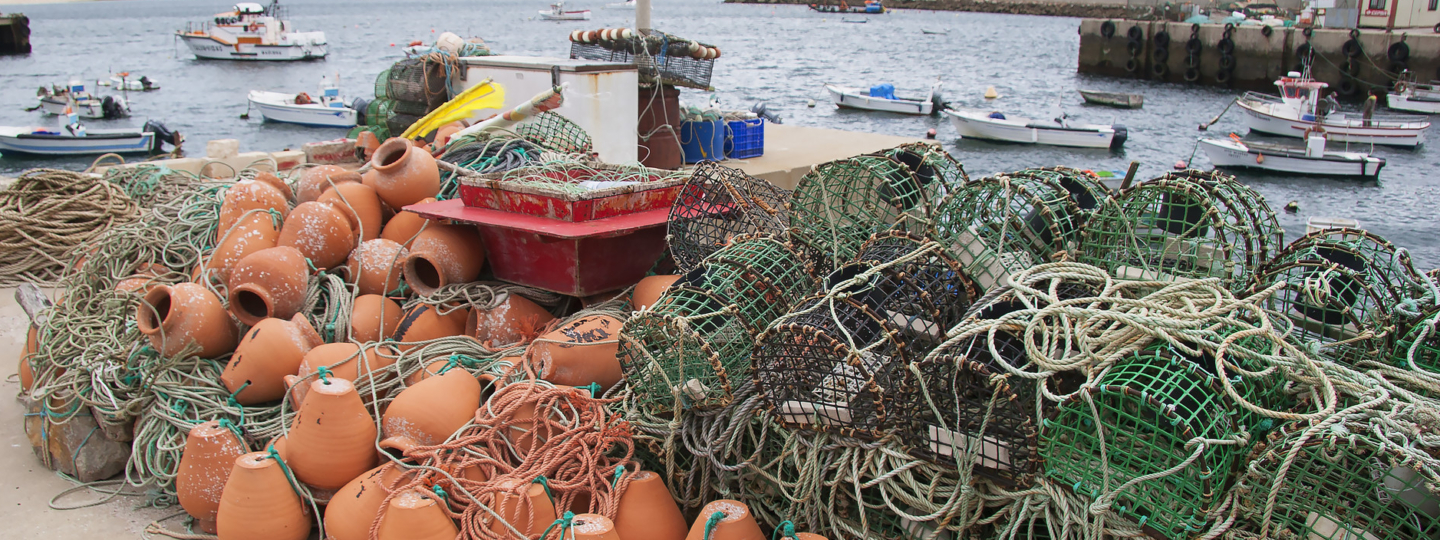
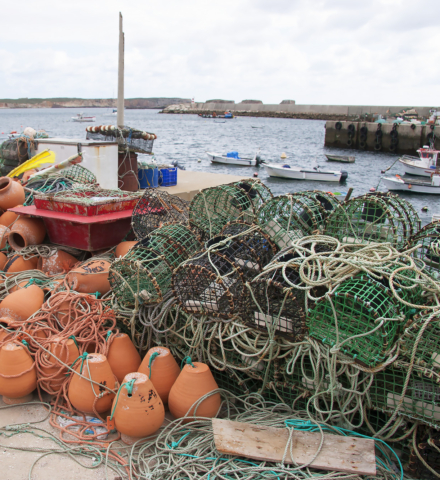
Pots and traps are set on the seafloor and attached to the surface with a buoy line. For many fisheries, a string of multiple traps are deployed in a trawl, which has a buoy line on each end. Pot and trap fisheries typically target crustaceans or groundfish.
Target Species
American Lobster
Groundfish
Jonah Crab

Snow Crab
Bycatch Species
Marine Mammals
Sea Turtles
Solutions
View allFunding Opportunities
View allDescription
This project by the Marine Animal Response Society (MARS) will build specialized skills among MARS on-call Response Technicians to better recognize, characterize, document and preserve evidence of fisheries interactions; support the application of those skills during real-world mortality investigations; and translate the resulting evidence into an annual Fisheries Interaction Investigation Map & Snapshot. This information will provide an independent, evidence-based picture of documented fisheries interactions, the strength and limitations of available evidence, endangered, threatened and protected (ETP) species affected, and their conservation or regulatory significance. These data can help identify interactions involving species of elevated concern, support conservation and mitigation, and provide credible, regionally consistent evidence relevant to evolving conservation and international market requirements, including U.S. Marine Mammal Protection Act bycatch provisions. Importantly, the project will clearly communicate the strength of the available evidence, including if and when the source of a fisheries interaction can be determined.
Beneficiary: Marine Animal Response Society (MARS)
- Technician training, data collection, analysis and mapping $35,000 USD
Description
Whale entanglement in fishing gear is a growing conservation and fisheries management challenge along the U.S. West Coast, with a marked increase in confirmed cases since 2014. Contributing factors include recovering whale populations, climate-related shifts in whale migration and prey distribution, changes in fishing effort, and increased public awareness and reporting. Reports of entangled whales come from throughout the West Coast, with the highest concentration off central California. While the specific gear involved is often unknown, the majority of confirmed cases have involved Dungeness crab gear.
An emerging approach to reducing entanglement risk while maintaining fishing access is the use of pop-up or on-demand fishing gear, which allows fishermen to retrieve traps without relying on vertical buoy lines connected to a surface buoy. The National Marine Sanctuary Foundation is working with commercial fishermen to test and refine on-demand gear that has the potential to reduce the risk of whale entanglement in fixed-gear fisheries. Data and insights generated through this work support voluntary adoption by fishermen, provide gear manufacturers with performance feedback and suggestions for improvement, and inform regulatory efforts to reduce the impacts of fishery closures due to entanglement risk.
FishSource Profile: Dungeness crab, California
Beneficiary: National Marine Sanctuary Foundation
- Expanded Trials and Engagement of Innovative Gear Technologies $125,000 USD
Description
In 2022, the Canadian Wildlife Federation established the CanFISH Gear Lending Program, which removes barriers to the adoption of on-demand fishing gear including financial constraints, accessibility issues, permitting to use the gear, and inexperience with the technologies, all which currently hinder harvesters from maintaining their catches and livelihoods when closures are implemented to protect North Atlantic right whales. Since the outset of the program, the distribution of North Atlantic right whales and therefore fisheries closures have changed from year to year. While significant outreach surrounding the lending program took place in the early years of its operation, funding has limited CWF from doing any significant, dedicated outreach since 2024. As closures continue to impact new areas and fish harvesters each year, there is a continued need to conduct outreach in fishing communities throughout the Atlantic provinces to ensure there is strong awareness of the program and how it can help harvesters impacted by closures by giving them the ability to continue fishing with whale-safe gear.
Targeted advertising, trade shows and dock demonstrations will assist in building increased awareness, promoting the use of the program and therefore sustainable fisheries. Funding support would assist with the costs of this outreach, including travel, advertising, and harvester workshops.
FishSource Profile: Queen crab, NW Atlantic, Canada S Gulf of St. Lawrence
Beneficiary: Canadian Wildlife Federation
- Fish harvester outreach $30,000 USD