Trawls
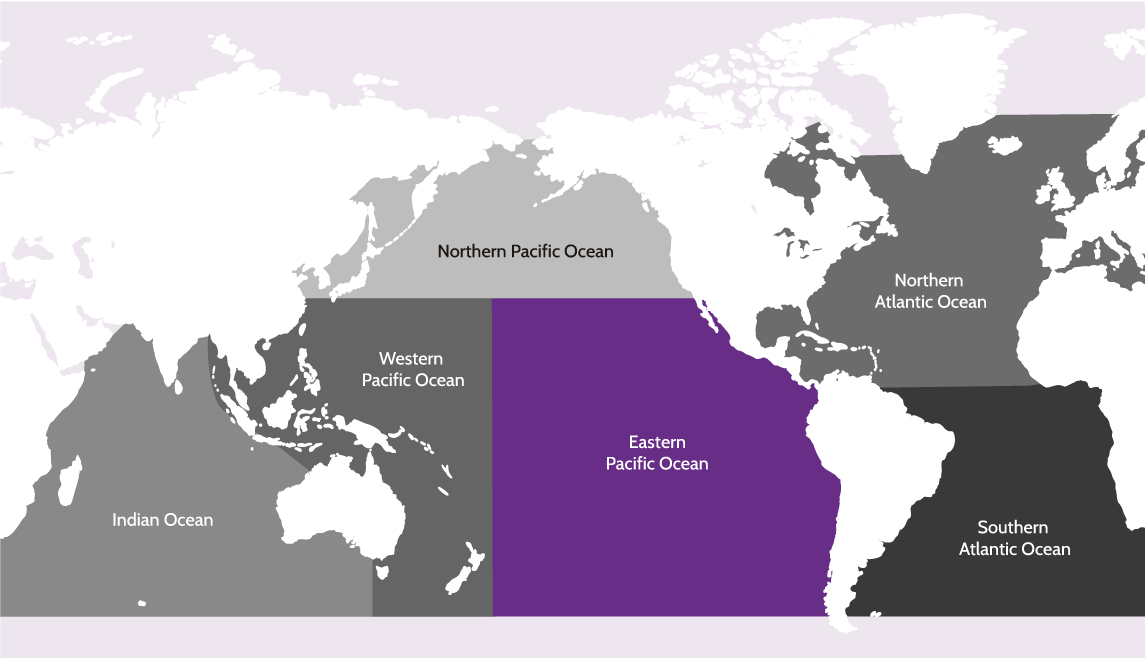
Eastern Pacific Ocean
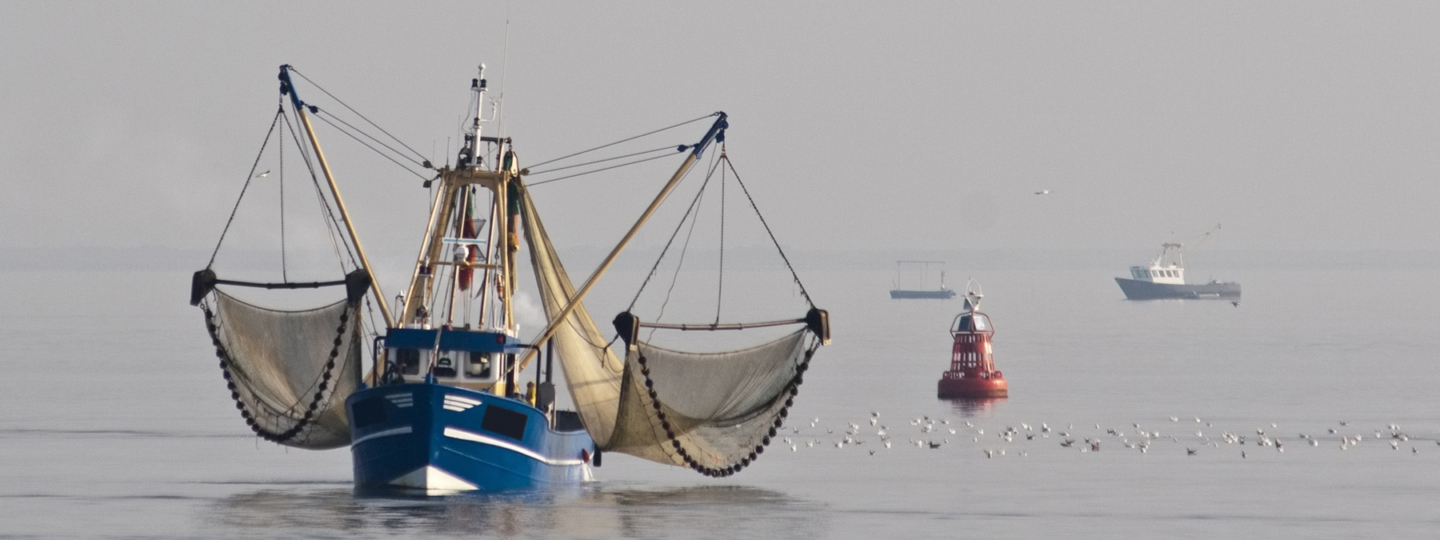
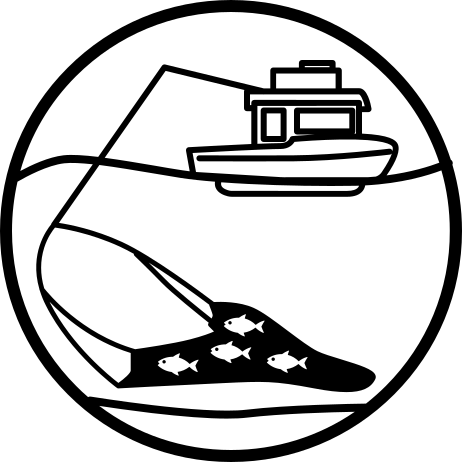
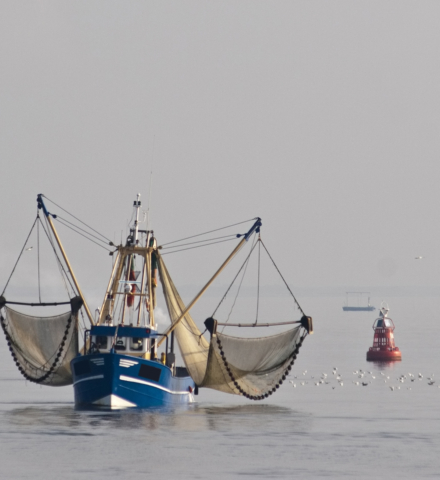
Trawls are large nets towed either in the water column (mid-water trawls) or on the seafloor (bottom trawls) depending on the target catch. Anything caught is funneled into the codend at the end of the net which is hauled onto the boat and dumped on the deck.
Target Species
Hake
Shrimp
Bycatch Species
Marine Mammals
Sea Turtles
Solutions
View allFunding Opportunities
View allDescription
This project by the Marine Animal Response Society (MARS) will build specialized skills among MARS on-call Response Technicians to better recognize, characterize, document and preserve evidence of fisheries interactions; support the application of those skills during real-world mortality investigations; and translate the resulting evidence into an annual Fisheries Interaction Investigation Map & Snapshot. This information will provide an independent, evidence-based picture of documented fisheries interactions, the strength and limitations of available evidence, endangered, threatened and protected (ETP) species affected, and their conservation or regulatory significance. These data can help identify interactions involving species of elevated concern, support conservation and mitigation, and provide credible, regionally consistent evidence relevant to evolving conservation and international market requirements, including U.S. Marine Mammal Protection Act bycatch provisions. Importantly, the project will clearly communicate the strength of the available evidence, including if and when the source of a fisheries interaction can be determined.
Beneficiary: Marine Animal Response Society (MARS)
- Technician training, data collection, analysis and mapping $35,000 USD
Description
Commercial benthic and demersal trawling has long been criticized for high bycatch rates and environmental damage. Trawl bycatch includes non-target species and target species that are not profitable or must legally be discarded. It can also include protected species such as marine mammals, seabirds, sturgeon, and turtles. Animals discarded after being caught in a trawl net frequently die before they can be returned to the water. These discards can negatively impact fish populations and can reduce fishery access through early closure.
The FloMo Modular Harvesting System was developed to address sustainability issues and environmental damage caused by traditional commercial trawling. It features a novel trawl net that enhances catch selectivity, fish survivability, and quality. FloMo nets use a specialized fabric cylinder that inflates hydrodynamically from water movement, creating a low-turbulence zone that decreases fish-on-fish and fish-on-net damage. The cylinder is designed with apertures of various sizes and shapes, which help reduce water velocity inside the net while primarily enabling the escape of undersized fish and non-target species. The shape, size, and pattern of the escapement apertures are tailored to target specific species and sizes. The end of the FloMo net also features a unique design that allows catch to be brought onboard in a water-filled bag, significantly reducing crush damage and preserving quality. During testing and operational use in New Zealand's commercial fisheries, there has been no evidence of increased fuel consumption when using the FloMo system compared to conventional mesh nets. In some trials, vessels could significantly reduce their trawl speeds without negatively affecting catch rates, thereby saving fuel.
The Commercial Fisheries Research Foundation(CFRF) located in Rhode Island, US, has identified three fisheries that target species, Summer flounder (Fluke), Silver Hake (Whiting) and Longfin squid, if tested with FloMo, could provide valuable insights into the effectiveness of the innovative net design and offer the broadest range of opportunities to expand or project trial results to other similar high-value or high-volume fisheries in the US New England region and beyond.
Beneficiary: Commercial Fisheries Research Foundation (CFRF)
- Equipment, travel, vessel time and training $180,000 USD