Purse Seine
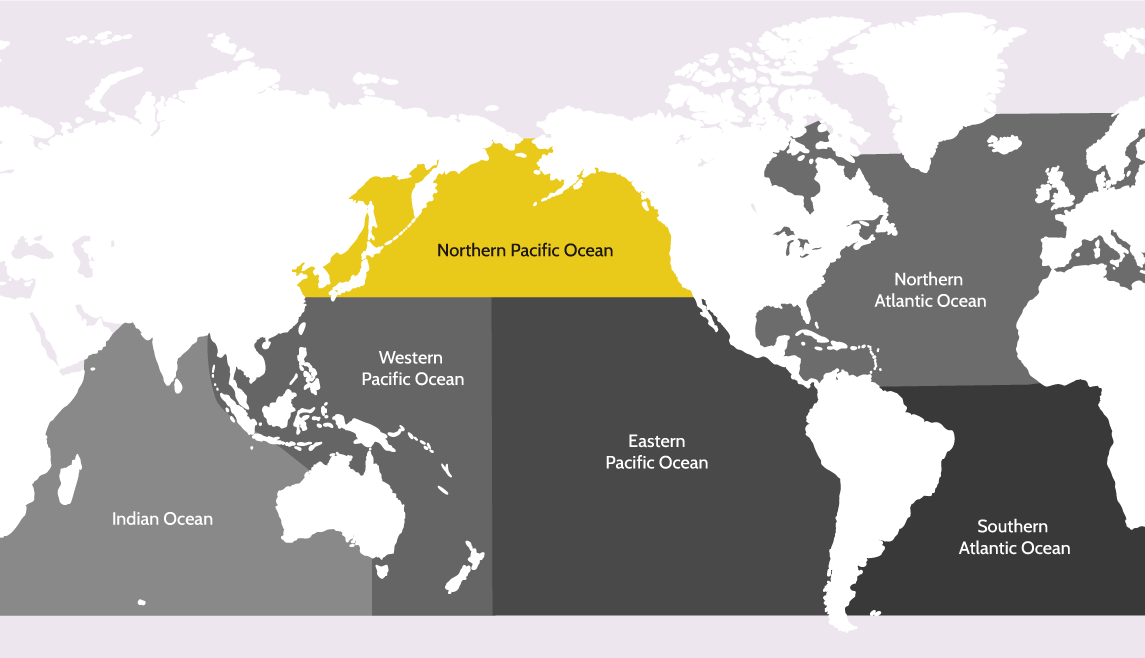
Northern Pacific Ocean
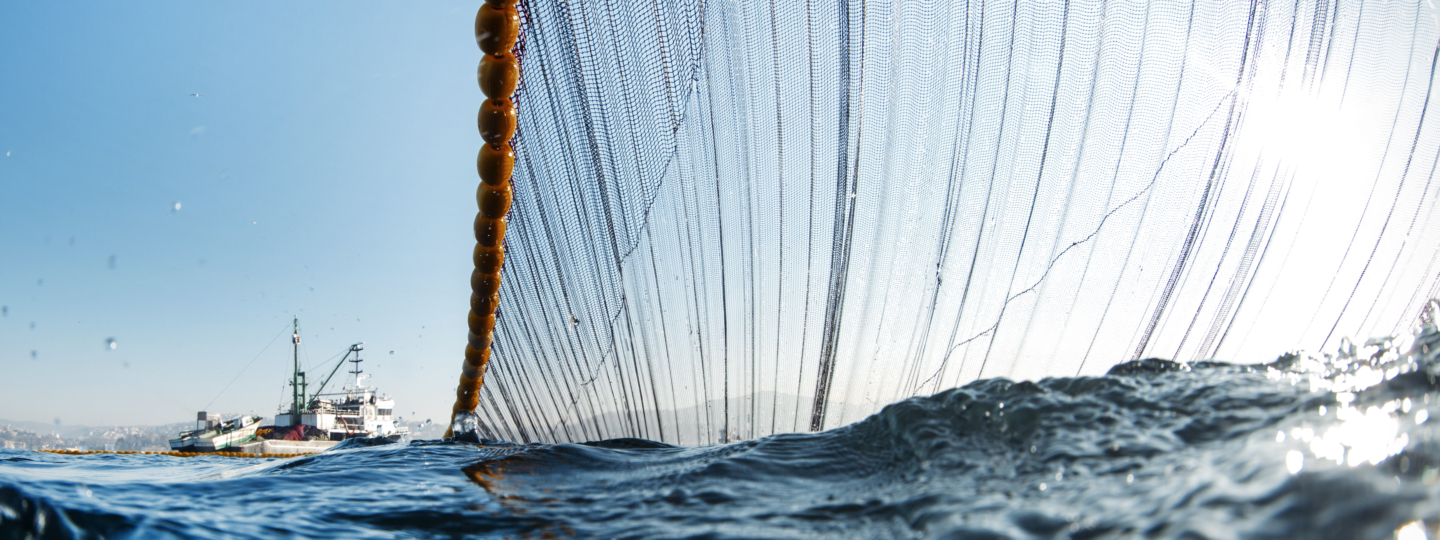
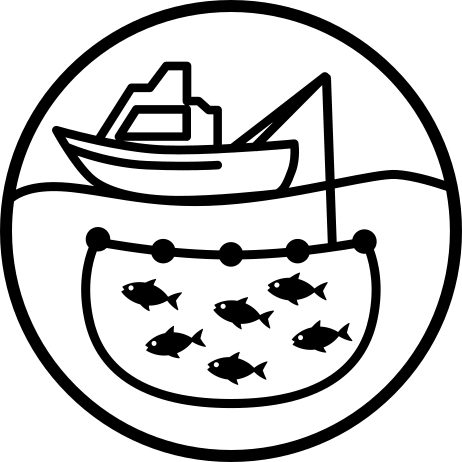
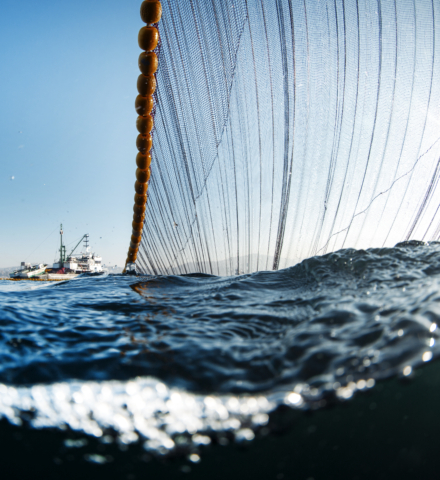
Purse seines are large nets used to encircle and trap large schools of fish. In addition to the target fish, these nets also trap all other encircled animals including ETP species. Purse seines can reach over 200 m deep and be over 2,000 m long.
Target Species

Salmon
Bycatch Species

Marine Mammals
Sharks and Rays
Solutions
View allFunding Opportunities
View allDescription
This project by the Marine Animal Response Society (MARS) will build specialized skills among MARS on-call Response Technicians to better recognize, characterize, document and preserve evidence of fisheries interactions; support the application of those skills during real-world mortality investigations; and translate the resulting evidence into an annual Fisheries Interaction Investigation Map & Snapshot. This information will provide an independent, evidence-based picture of documented fisheries interactions, the strength and limitations of available evidence, endangered, threatened and protected (ETP) species affected, and their conservation or regulatory significance. These data can help identify interactions involving species of elevated concern, support conservation and mitigation, and provide credible, regionally consistent evidence relevant to evolving conservation and international market requirements, including U.S. Marine Mammal Protection Act bycatch provisions. Importantly, the project will clearly communicate the strength of the available evidence, including if and when the source of a fisheries interaction can be determined.
Beneficiary: Marine Animal Response Society (MARS)
- Technician training, data collection, analysis and mapping $35,000 USD
Description
Global shark populations have declined by about 50% over the past 50 years, largely due to fishing, including accidental capture in tuna fisheries. While small sharks can be handled relatively safely, large adult sharks—critical for reproduction—are difficult and dangerous to release, often leading fishers to leave them on deck until they are near death. Older release methods (like tail ropes) were banned due to injury risks.
To address this, AZTI developed two safer release devices (a padded “shark velcro” and “shark harness”) that allow quick, less harmful lifting and release. Early tests showed promising survival results, but sample sizes were too small for firm conclusions. This new pilot project will expand testing through fisher training, onboard trials, and satellite tagging to assess post-release survival.
If proven effective, these devices could improve shark survival, enhance fisher safety, support sustainable fishing practices, and help fisheries meet conservation standards.
Beneficiary: AZTI
- Fisher training, onboard trials, and satellite tagging $100,000 USD
Description
Oceanic shark populations have declined sharply over the past 50 years, largely due to fishing. In tropical tuna purse seine fisheries, vulnerable and critically endangered sharks are commonly caught as bycatch around fish aggregating devices (FADs). Handling these sharks on deck is dangerous for fishers and harmful to the animals, often leading to injuries and poor survival outcomes.
To address this, AZTI developed slide systems that allow sharks to be released directly back into the water with minimal handling, improving safety and survival. Trials with customized slides, along with the introduction of shark-bite-resistant gloves, aim to further reduce risks. The project includes gear development, training, data collection, and collaboration with fleets to promote adoption.
Expected outcomes include safer working conditions, improved shark survival, wider adoption of release tools across fleets, and potential integration into fisheries regulations—ultimately supporting shark population recovery and more sustainable fisheries.
Beneficiary: AZTI
- Gear development, training, data collection, and collaboration with fleets $70,000 USD