
Bycatch Basics
Gear Types
Different gear types present their own inherent risks and bycatch rates for endangered, threatened, and protected species.
A wide range of gear types are used across the myriad of global fisheries, with an endless variety of personalizations and modifications. Impacts of bycatch on ETP species depend on both fishery-specific modifications and fishing methods. Click the links below to learn more about the five most common gear types globally, what risks they pose to the different ETP taxa, and what modifications decrease bycatch rates.
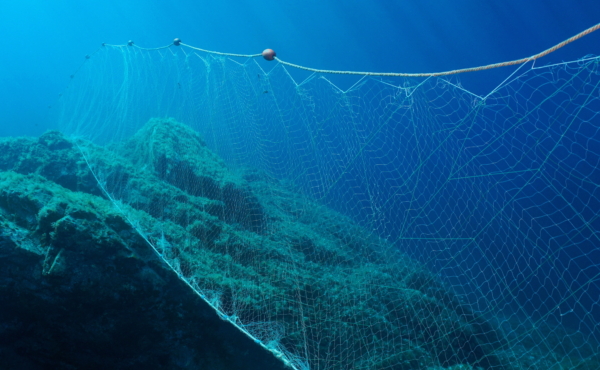
Gillnets
Gillnets
Vertical mesh walls that entangle fish by their gills. Since gillnets are difficult to see and non-selective, they can account for staggering amounts of bycatch.
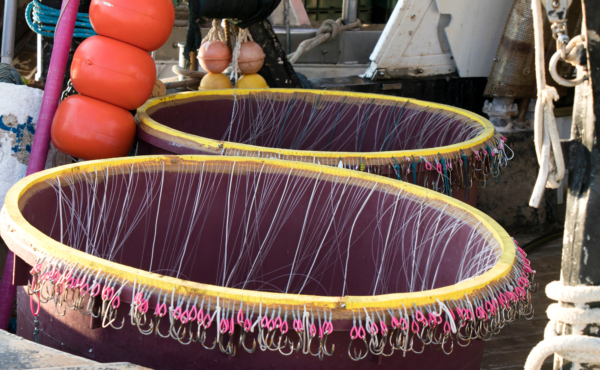
Longlines
Longlines
Miles of line with hundreds of baited hooks. Non-target animals can get hooked while attempting to eat the bait.
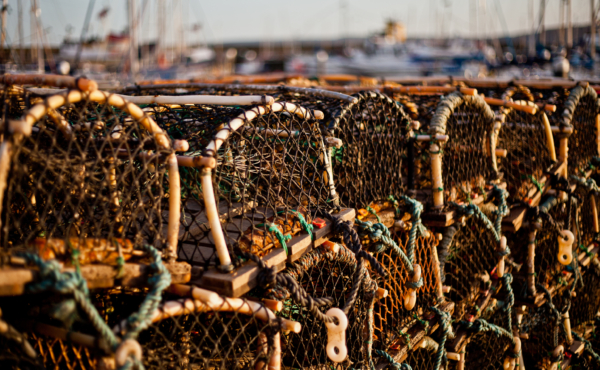
Pots and traps
Pots and traps
Baited enclosures set on the seafloor. Buoy lines can get wrapped around the fins and body of large whales and sea turtles, leading to serious injury and death.
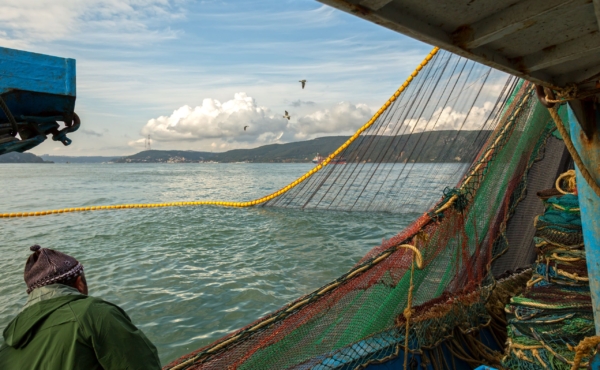
Purse Seines
Purse Seines
Large nets that encircle entire schools of fish. Non-target species can get caught inside the net once it is pursed.
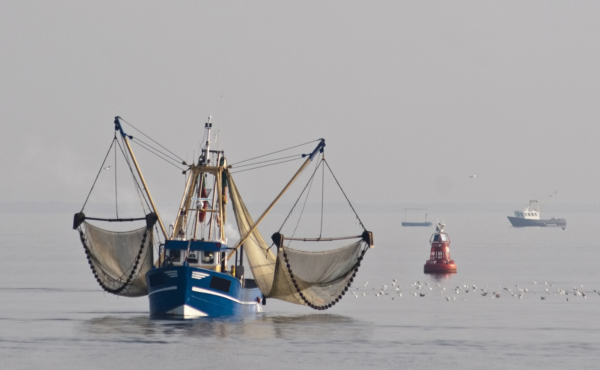
Trawlers
Trawlers
Cone-shaped nets dragged through the water. The nets scoop up anything in their path, including non-target species, and can also destroy seafloor habitats.
Ready to take action?
Bycatch doesn’t just affect individual animals – it impacts entire marine ecosystems, fishing communities, and the global food supply. Contact us to learn more about gear modifications that can reduce and eliminate bycatch.