
Bycatch Basics
Species at Risk
Bycatch in fisheries is a primary threat to endangered, threatened, and protected (ETP) species.
Marine mammals, sea turtles, seabirds, and sharks and rays are all at risk of accidental capture and entanglement in all types of fishing gear. Impacts to specific taxa depend on the fishery type and region, but new innovations and proven best practices reduce these risks while creating sustainable fisheries.
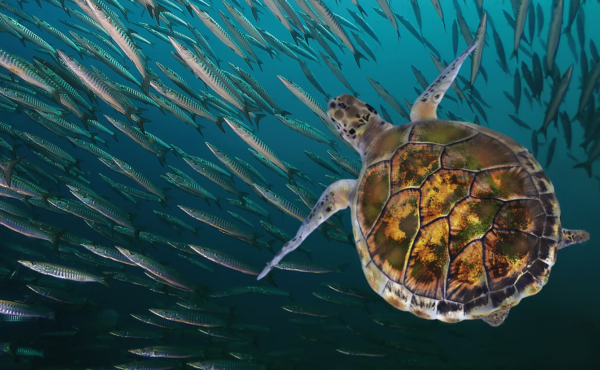
Sea turtles
Sea turtles
Six of seven sea turtle species are threatened or endangered. Longlines, gillnets, and trawls are the primary gear types that interact with turtles. Solutions like circle hooks and turtle excluder devices (TEDs) have dramatically reduced bycatch in many fisheries.
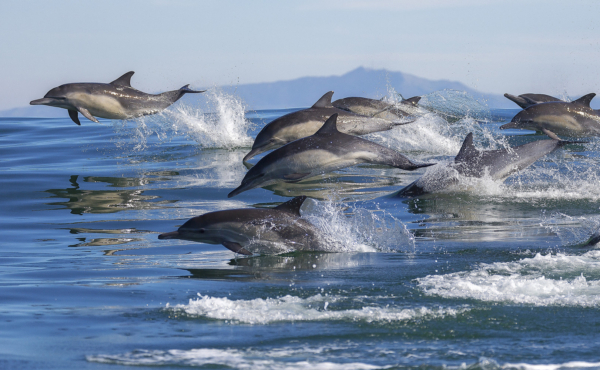
Marine mammals
Marine mammals
Dolphins, whales, seals, and sea lions are caught in gillnets, purse seines, and trawls worldwide. Acoustic deterrent devices (pingers) and gear modifications have proven effective at reducing mammal bycatch in key fisheries.
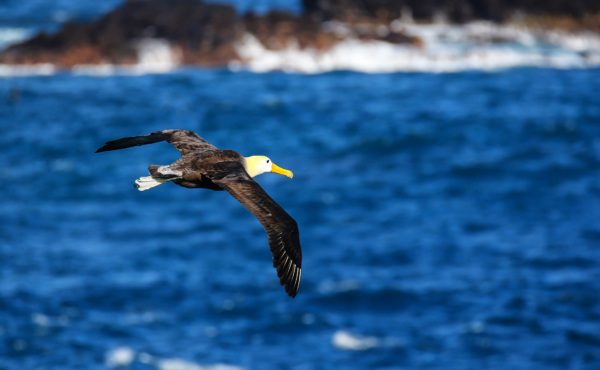
Seabirds
Seabirds
Albatrosses, petrels, and other seabirds are drawn to baited hooks on longlines and caught in trawl cables. Bird-scaring lines (tori lines), weighted hooks, and night setting are cost-effective solutions already in use across many fleets.
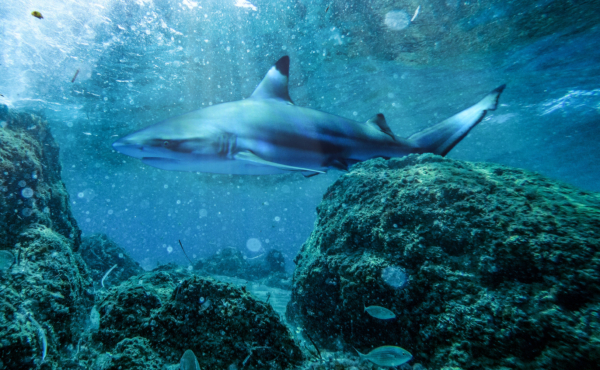
Sharks and rays
Sharks and rays
Sharks and rays are caught as bycatch in longline, purse seine, gillnet, and trawl fisheries globally. Many species are slow to reproduce, making populations especially vulnerable. Shark-specific hooks, magnetic deterrents, and handling best practices are reducing mortality.
Want to help protect ocean wildlife?
Contact the Bycatch Solutions Hub to learn more about species at risk from unintended capture in marine fisheries.