Global Whale Entanglement Response
Global Whale Entanglement Response
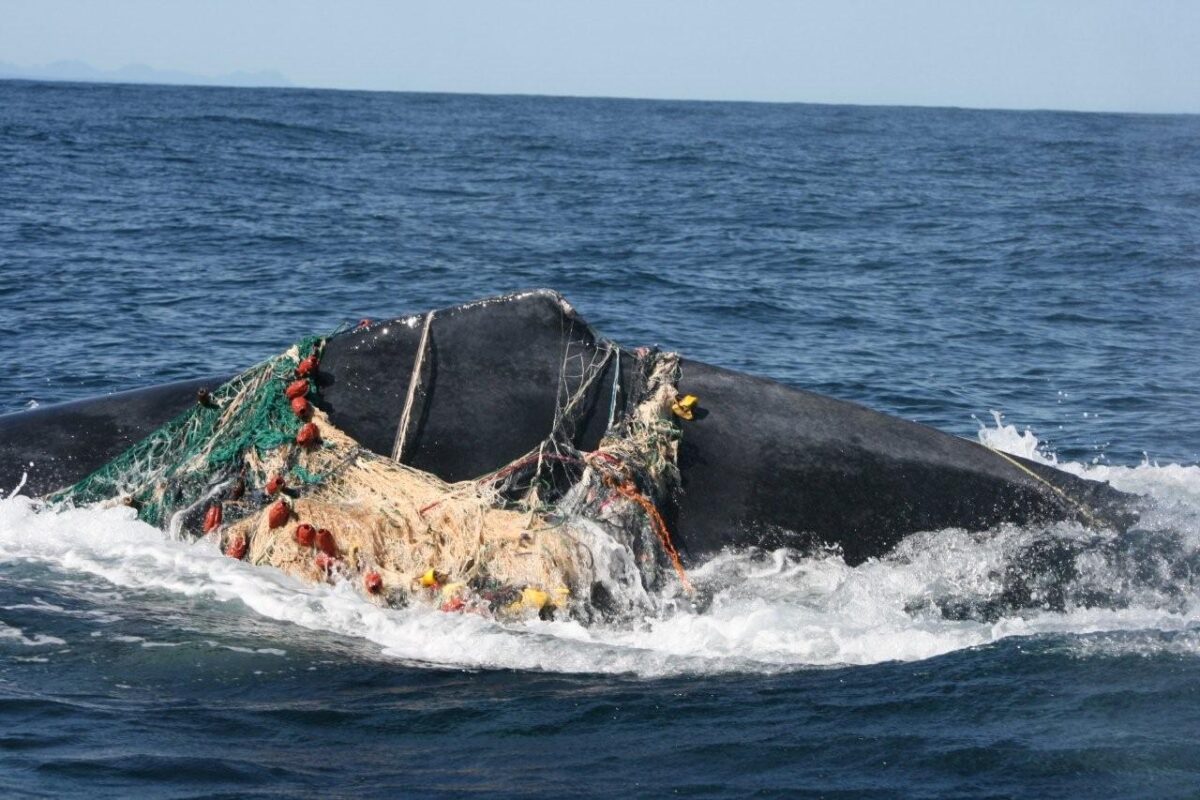
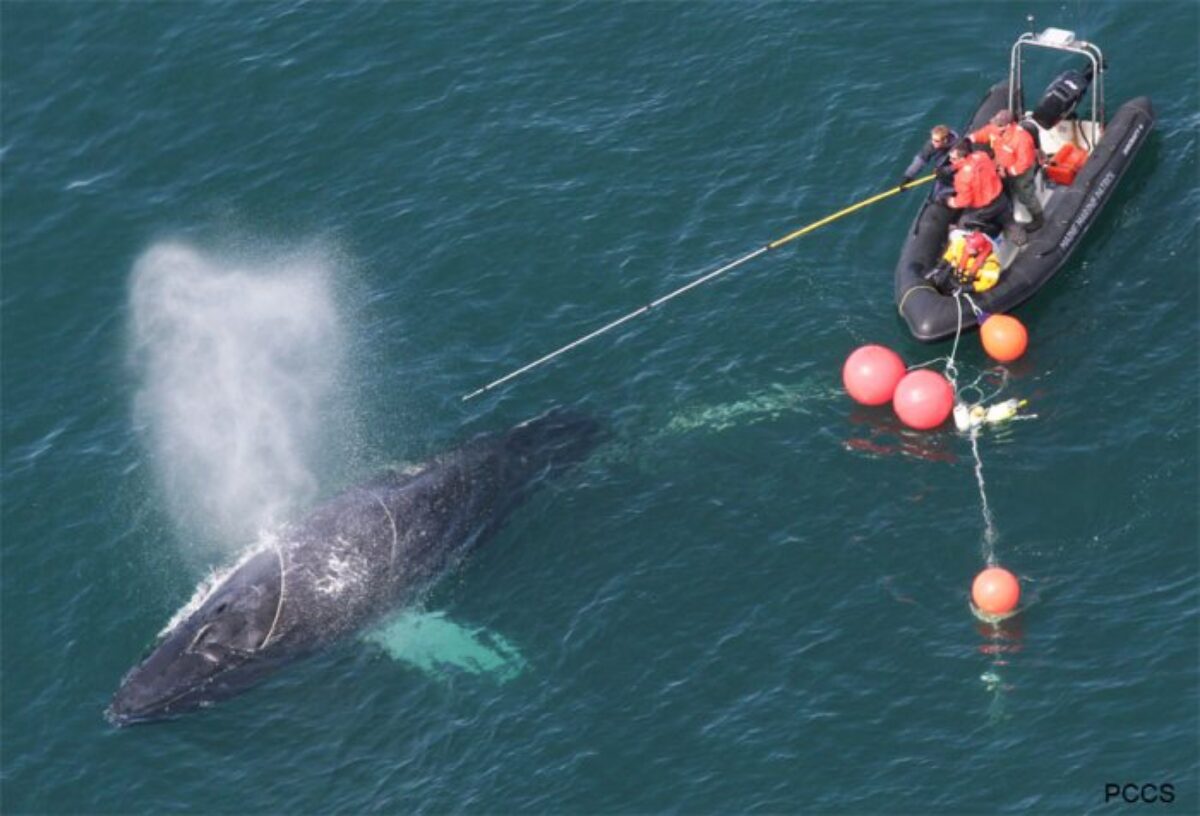
Research indicates that more than 300,000 whales and dolphins die each year as a result of entanglement in fishing gear, with additional, unquantified numbers also becoming entangled in marine debris. These incidents can have severe, long-term conservation consequences, particularly for populations that are already threatened or critically endangered. In response to these growing concerns, the International Whaling Commission (IWC) launched the Global Whale Entanglement Response Network (GWERN) in 2011. The program’s immediate objective was to develop safe and effective entanglement response capacity worldwide, with the long-term goal of reducing and ultimately preventing entanglement incidents globally.
The program is delivered in partnership with the Center for Coastal Studies (CCS) in Provincetown, Massachusetts, USA, which is recognized as a global leader in cetacean entanglement response. GWERN is led by Technical Advisors from both CCS and the IWC and supported by an Expert Panel comprising representatives from countries with long-established and rigorously tested entanglement response programs.
With guidance from this international expert group, Best Practice Guidelines and comprehensive two-day entanglement response training workshops have been developed. Training workshops combine classroom instruction—covering data collection, applicable regulations, and regional cetacean identification—with hands-on, on-water disentanglement exercises. Additionally, disentanglement equipment kits are provided to participating groups. Since 2012, these workshops have been delivered across five continents, training more than 1,700 participants from over 43 countries.

Updates
July 2026
On July 7-8, 2026 the following GWERN training took place in the Dominican Republic with 28 participants. The Ministry of Environment and Natural Resources of the Dominican Republic issued the following a press release summary.
Dominican Republic strengthens national capacity to respond to large whale entanglements
The Ministry of Environment and Natural Resources of the Dominican Republic, in collaboration with the United Nations Development Programme (UNDP), the Center for the Conservation and Eco-development of Samaná Bay and its Surroundings (CEBSE), the Dominican Foundation for Marine Studies (FUNDEMAR), Fundación Eco Bahía, Moto Marina, the Samaná Bay Boat Owners Association, the National Aquarium, and the International Whaling Commission (IWC), conducted a two-day training workshop on large whale entanglement response in Samaná.
The training brought together 28 participants from government agencies, conservation organizations, and other stakeholders involved in cetacean management. Participants received both classroom and hands-on instruction on entanglement response protocols, the use of specialized equipment, and safe techniques for assisting large whales entangled in fishing gear, including practical exercises conducted from vessels.
The workshop was led by Astrid Frisch Jordán and Karel Diego Beets Vigil, IWC instructors and members of the Whale Entanglement Response Assistance Network (RABEN). As part of the training, the IWC donated specialized response equipment to strengthen the country’s capacity to respond to future whale entanglement incidents.
The training establishes the foundation for a national whale entanglement response team, strengthening the Dominican Republic’s preparedness to respond to entanglement events and supporting the conservation of the humpback whales that visit Samaná Bay and the Silver and Navidad Banks Marine Mammal Sanctuary each year.
May 2026
On May 25-26 the following GWERN training took place in the Panama with 51participants. The Environment Ministry of Panama issued the following press release.
Panama Strengthens Capacity for the Response and Disentanglement of Large Whales
As part of the project “Conservation of Megafauna and Other Coastal Marine Resources for the Sustainable Use of Their Ecosystem Services in the Pacific and Caribbean Regions of Panama,” a Large Whale Disentanglement Workshop was held in Panama City on May 25–26 to strengthen national capacity for the safe and effective response to whale entanglement incidents.
Panama receives populations of humpback whales from both the North and South Pacific each year, making the country an important migratory corridor for marine mammals in the region. In response to the increasing number of whales becoming entangled in fishing gear and other human-related threats, the Ministry of Environment participated in this specialized training organized jointly by the International Whaling Commission (IWC), the International Maritime University of Panama (UMIP), MarViva Foundation, Panacetacea Foundation, and Mexico’s National Whale Entanglement Response Network (RABEN).
The workshop brought together technical personnel, government authorities, representatives of civil society organizations, and members of coastal communities. A total of 51 participants attended the classroom session, while 39 took part in the at-sea practical training. The course covered response protocols, risk assessment, and safe techniques for the release of large whales entangled in fishing gear.
The practical exercises were conducted at sea with the support of vessels and personnel from the National Aeronaval Service (SENAN) and UMIP.
Entanglement incidents affect whale species worldwide and can cause severe injuries, exhaustion, impaired feeding and movement, and, in some cases, death.
Digna Barsallo, Director of Coasts and Seas at Panama’s Ministry of Environment, highlighted the importance of initiatives such as this for strengthening the country’s ability to respond to marine wildlife emergencies.
“These training sessions help improve the technical capacity needed to respond safely to whale entanglement cases while promoting coordination among institutions, organizations, and coastal communities,” said Barsallo.
The training was led by international instructors from the International Whaling Commission and RABEN Mexico, who shared their experience in large whale rescue
Resources
FishSource Profile: Dungeness crab, Oregon, pots
FishSource Profile: Queen crab, NW Atlantic, CA Gulf of St. Lawrence, pots
FishSource Profile: Jonah crab, US Atlantic, pots