Gillnets
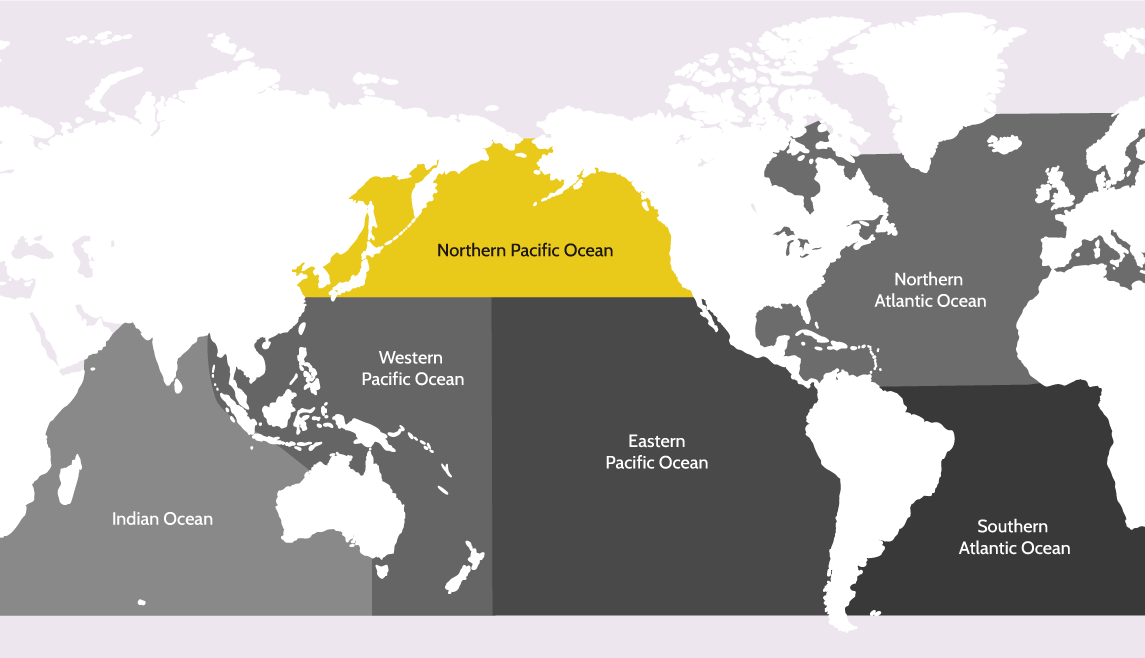
Northern Pacific Ocean
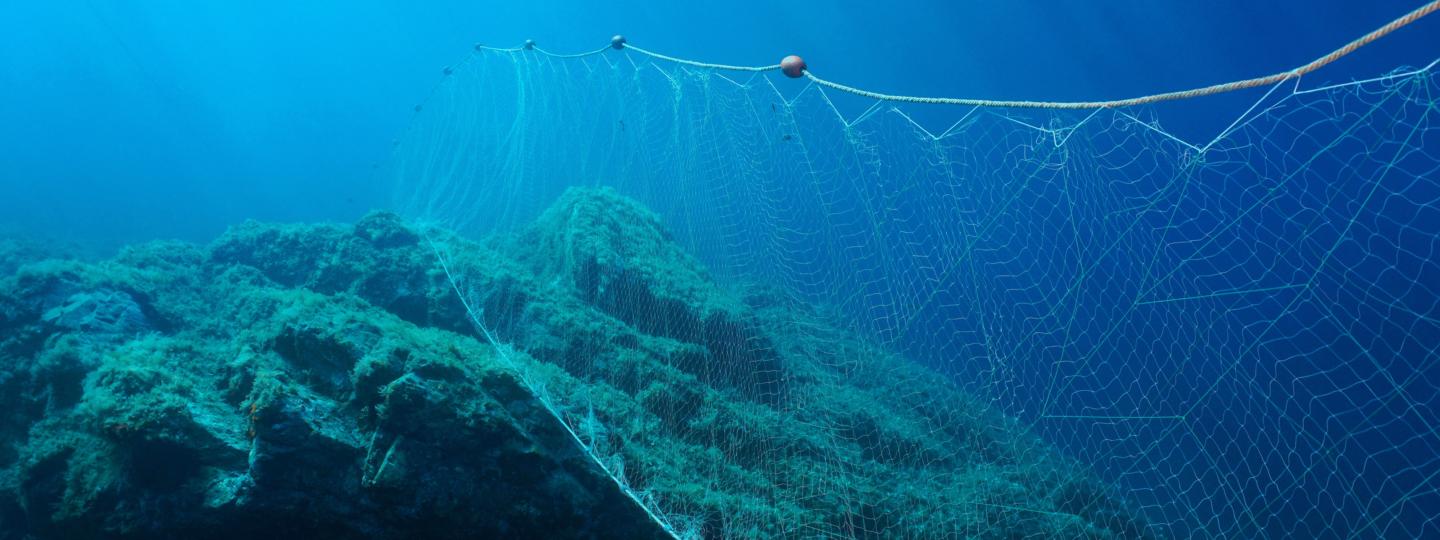
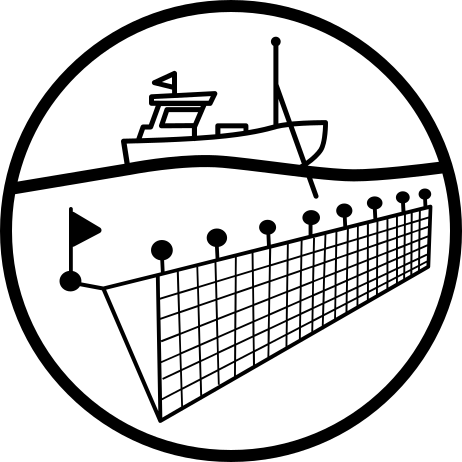
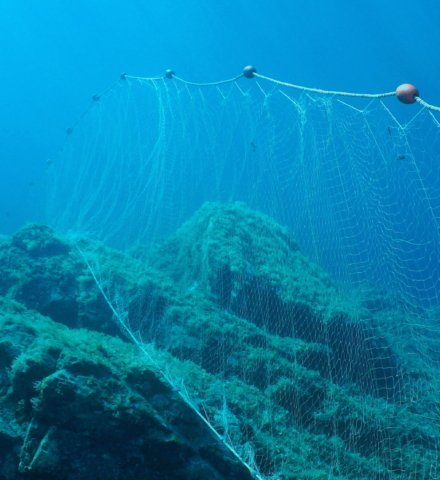
Gillnets are designed to trap fish that swim into them, which become increasingly entangled as they fight to get out. They are either tethered into the substrate (set gillnets) or attached to buoys and float at a specific depth (drift gillnets).
Target Species

Groundfish
Salmon
Bycatch Species

Marine Mammals

Seabirds
Sharks and Rays
Solutions
View allFunding Opportunities
View allDescription
This project by the Marine Animal Response Society (MARS) will build specialized skills among MARS on-call Response Technicians to better recognize, characterize, document and preserve evidence of fisheries interactions; support the application of those skills during real-world mortality investigations; and translate the resulting evidence into an annual Fisheries Interaction Investigation Map & Snapshot. This information will provide an independent, evidence-based picture of documented fisheries interactions, the strength and limitations of available evidence, endangered, threatened and protected (ETP) species affected, and their conservation or regulatory significance. These data can help identify interactions involving species of elevated concern, support conservation and mitigation, and provide credible, regionally consistent evidence relevant to evolving conservation and international market requirements, including U.S. Marine Mammal Protection Act bycatch provisions. Importantly, the project will clearly communicate the strength of the available evidence, including if and when the source of a fisheries interaction can be determined.
Beneficiary: Marine Animal Response Society (MARS)
- Technician training, data collection, analysis and mapping $35,000 USD
Description
This project aims to improve and commercialize solar-powered lights designed to reduce bycatch (unintended capture) of sea turtles, sharks, and other marine species in gillnet and pound net fisheries. Traditional light-based bycatch reduction methods (LEDs and chemical lightsticks) are effective but costly and environmentally problematic due to battery use and waste. The Senko Lab has developed a solar-powered alternative that already reduces sea turtle bycatch while maintaining target fish catch, and is now working to prepare the technology for commercial release by 2028.
Objective 1 focuses on improving energy efficiency by optimizing the flash rate (duty cycle) of the lights. Field trials in Baja California Sur, Mexico will compare 5% and 10% duty cycles to determine if lower energy use can maintain or improve bycatch reduction while extending battery life. Experimental gillnets (two illuminated, one control) will be deployed nightly, and researchers will measure bycatch, target catch, and operational efficiency.
Objective 2 aims to reduce costs by optimizing the spacing of lights on nets. Increasing spacing reduces the number of lights needed, lowering costs without sacrificing effectiveness. Trials in North Carolina and Baja California Sur will test reduced light densities and compare outcomes to control nets.
Beneficiary: Senko Lab for Marine Megafauna & Fisheries Conservation
- Equipment, boat rental, fuel, travel and at sea trials $150,000 USD
Description
Iluminar el Mar, finalist for the Latam environmental awards, uses small, affordable green LED lights attached to fishing nets to reduce the accidental capture of threatened and endangered species such as sea turtles, sharks, rays, dolphins, and whales. This issue, known as fisheries bycatch, is one of the leading threats to marine biodiversity. The lights work by making nets more visible to these species, which have different sensory abilities compared to target bony fish, allowing fishers to maintain their catch without harming vulnerable marine life.
Trials from Phase I in coastal Ecuador showed impressive results, reducing bycatch by 58 percent for sea turtles, 45 percent for sharks, 50 percent for rays, and 73 percent for dolphins and whales. Protecting these keystone species helps maintain healthy oceans—turtles regulate jellyfish populations, while sharks keep the food chain in balance, supporting fish stocks and the livelihoods of coastal communities.
The approach goes beyond technology, working closely with local fishers through workshops and collaboration, building shared knowledge about the importance of these species and co-designing solutions that fit local realities. Also creating market incentives for fish caught using this method, helping fishers earn more while protecting marine ecosystems.
In Phase II, the Project will publish Phase I results, fine-tune the light configurations with fisher feedback, develop a national implementation plan, and roll out the technology on 100 artisanal gillnet vessels across three ports. This will prevent the accidental capture of an estimated 973 sea turtles, 420 mobula rays, 450 dolphins and whales, and 3,613 sharks in just one fishing season. Over five years, the impact grew to 4,866 turtles, 2,100 rays, 2,248 dolphins and whales, and 18,063 sharks.
By reducing bycatch, Iluminar el Mar directly addresses a critical conservation challenge with a simple yet effective solution. The project combines tested innovation with deep local engagement and has the potential to be replicated in small-scale fisheries around the world. It offers a powerful path forward for healthier oceans and stronger coastal communities.
FishSource Profile: Common dolphinfihs, Eastern Pacific Ocean, Ecuador
FishSource Profile: Bigeye tuna, Eastern Pacific Ocean, Ecuador
FishSource Profile: Yellowfin tuna, Eastern Pacific Ocean, Ecuador
Beneficiary: The Leatherback Project and Mare Nostrum
- Option A: Testing of new design with Pilot Fishers & Outreach (Two Year) $78,050 USD
- Option B: Improved LED Light Technology $40,000 USD